
When comparing rolled roofing vs. shingles, many homeowners are looking for a simple answer: which option is better for their residential property? The truth is, both materials serve different purposes, and choosing the right one depends on your structure, budget, and long-term goals. In Florida, where roofs must withstand intense heat, heavy rain, and strong winds, making the right choice is especially important.
Knowing how these two roofing systems differ can help you avoid costly mistakes and ensure your investment provides lasting protection.
What Is Rolled Roofing?
Rolled roofing is one of the most basic and cost-effective roofing materials available. It comes in large rolls of asphalt-based material that are applied in long strips across the roof surface. Because it is designed for quick installation, rolled roofing is often used on low-slope or flat roofs where traditional shingles may not perform as well.
This type of roofing is commonly seen on sheds, garages, and other secondary structures. Its lightweight design and straightforward application make it appealing for projects where speed and budget are key considerations.
However, while rolled roofing may seem like a practical solution upfront, it is important to understand its limitations. It is generally less durable than other roofing systems and may not provide the same level of protection against Florida’s harsh weather conditions.
What Are Asphalt Shingles?
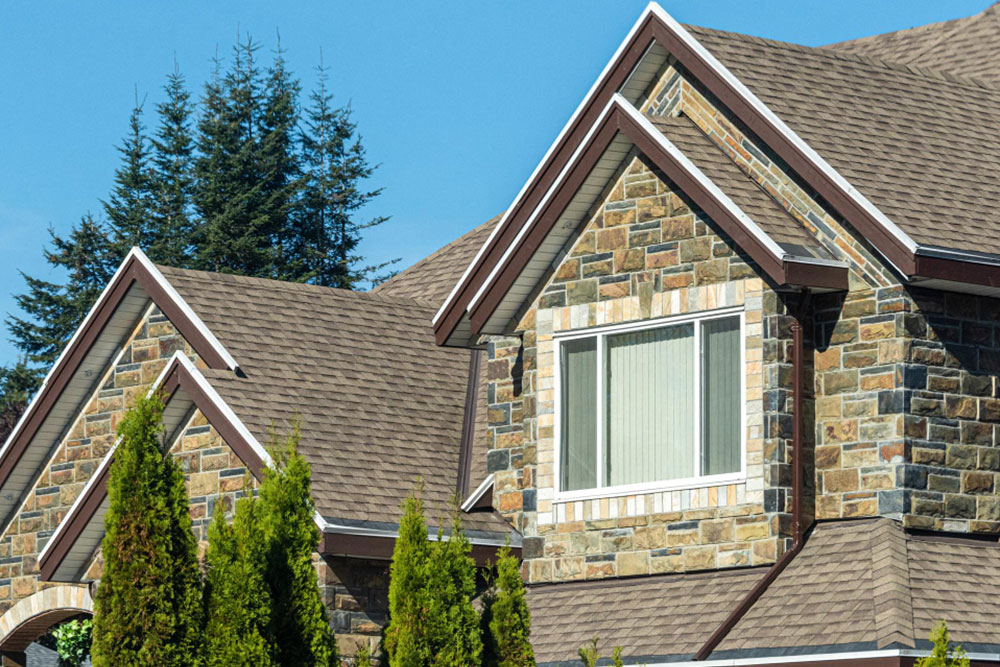
Asphalt shingles are one of the most widely used roofing materials for residential homes. They are made from an organic or fiberglass base layered with asphalt and topped with protective granules. These shingles are installed in overlapping layers, which creates a barrier designed to shed water and resist environmental damage.
Shingles are known for their balance of affordability, durability, and appearance. They come in a variety of styles and colors, so homeowners can choose a look that complements their property while still maintaining reliable performance.
In Florida, asphalt shingles are a popular choice because they are engineered to handle heat, humidity, and wind when installed correctly. Many modern shingles are also designed with reflective properties that can help reduce heat absorption, contributing to better energy efficiency.
Key Differences in Structure and Installation
Installation methods create a major distinction in rolled roofing vs. shingles. Rolled roofing is applied in large sheets, which reduces seams but limits flexibility when working with complex roof shapes. It is typically fastened or adhered directly to the roof deck, making installation quicker but less detailed.
Shingles are installed individually in overlapping layers. This method creates multiple barriers against water intrusion, which becomes especially important during heavy rainfall. Installation requires more time and skill, though the result is a more dependable and longer-lasting system.
Performance over time also differs. Rolled roofing is more susceptible to cracking, tearing, and wear under constant exposure to the sun and rain. Shingles are designed to handle expansion and contraction caused by temperature changes. This helps maintain their integrity in demanding climates.
Durability and Lifespan Considerations
Durability is often one of the most important factors when choosing a roofing material. While rolled roofing can serve its purpose in certain situations, it typically has a much shorter lifespan compared to shingles. In many cases, rolled roofing may need to be replaced within a decade, especially in climates with high heat and frequent storms.
Shingles, by contrast, are built for long-term performance. Depending on the type and quality, asphalt shingles can last significantly longer when properly installed and maintained. This makes them a more reliable option for homeowners who want lasting protection without frequent replacements.
In Florida, durability is not just about longevity — it is about resilience. Roofing materials must be able to withstand strong winds, heavy rainfall, and prolonged sun exposure. Shingles are generally better equipped to handle these conditions, especially when installed by experienced professionals who understand local requirements and building codes.
Cost Considerations for Rolled Roofing and Shingles
Cost is often a deciding factor when comparing rolled roofing and shingles. Rolled roofing typically comes with a lower upfront price, which makes it appealing for smaller projects or secondary structures. The material itself is inexpensive, and the faster installation timeline helps reduce labor costs.
Shingles require a higher initial investment, though they deliver stronger long-term value. Their durability, resistance to weather, and energy-efficient performance can lower expenses over time through reduced maintenance, fewer repairs, and improved energy use. In Florida, where roofs face intense sun and frequent storms, shingles often justify the investment by limiting replacement cycles and helping prevent costly water or wind-related damage.
Insurance considerations also deserve attention. Many providers view shingle roofs as a more reliable system and may offer reduced premiums when the installation meets wind-resistance requirements.
Maintenance and Longevity
Maintenance needs vary greatly between rolled roofing and shingles. Rolled roofing is more vulnerable to cracking, splitting, and peeling under intense heat and prolonged sun exposure. These issues can develop quickly in warmer climates, which leads to earlier repairs. Minor damage can spread if ignored, increasing the risk of leaks, moisture intrusion, and interior water damage. Regular monitoring becomes necessary to catch problems before they worsen.
Shingles require less frequent upkeep and tend to perform more consistently over time. Routine inspections and small repairs are typically enough to maintain their condition for many years. Correct installation and ongoing professional maintenance help shingles withstand wind uplift, heavy rain, and UV exposure.
This added durability reduces unexpected repair needs and helps extend the overall lifespan of the roof – an important factor for homeowners in Florida’s demanding climate.
Work With US Shingle & Metal
US Shingle & Metal helps homeowners navigate decisions like rolled roofing vs. shingles with confidence. As a Florida-based, veteran-owned company, we provide professional roofing and insulation solutions designed for durability, energy efficiency, and long-term protection. Our team guides you toward the best option for your home, ensuring your roof can withstand Florida’s weather.
If you’re ready to invest in a roof that offers lasting protection and energy savings, contact U.S. Shingle & Metal today to get your free, no-obligation roofing and insulation quote.