

Quick Summary
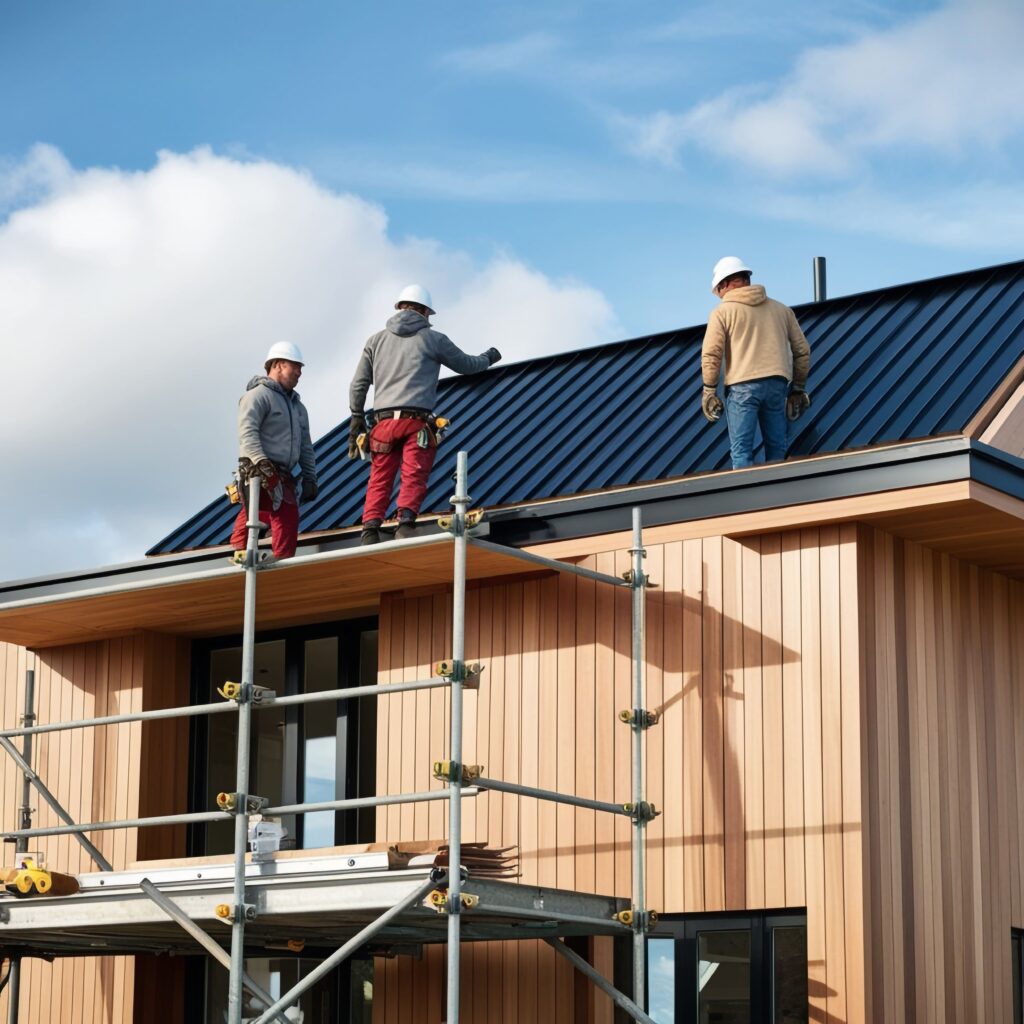
Planning a roof replacement at the right time can help you avoid rushed decisions, storm-related stress, and scheduling delays. Weather, roof condition, contractor availability, and Florida’s storm season all play a role in timing the project. Spring and fall are often strong seasons for roofing work, but the right answer depends on your roof’s age, damage level, and how well it can protect your home.
Finding the best time to replace a roof usually starts with one question: Can your current roof safely make it through another season? Many homeowners wait until leaks show up or storm damage becomes obvious, but that can create bigger problems. A roof replacement works best when it is planned before major trouble starts. That way, you have time to compare materials, schedule an inspection, review your estimate, and choose a roof system that fits your home.
Florida weather makes timing even more important. Heat, humidity, heavy rain, salt air, and storm activity can wear down shingles, metal panels, tile systems, and flat roofing materials. Because of that, homeowners should think about roof replacement as part of long-term home protection rather than a last-minute repair.
Why Timing Matters for Roof Replacement
Roof replacement is easier to manage when your home is not already dealing with active leaks or serious damage. Once water starts getting through the roof, the problem can spread into the decking, insulation, drywall, and electrical areas. That can turn a planned roofing project into a much larger repair.
Good timing also gives you more control over your options. You can review asphalt shingles, metal roofing, tile roofing, or flat roofing systems without pressure. You can also ask about energy-efficient upgrades, attic insulation, radiant barriers, and storm-resistant materials that make sense for Florida homes.
Contractor schedules matter too. Roofing companies can become busy after major storms, during hurricane season, or when many homeowners are trying to complete projects before heavy rain. Planning early helps you avoid the stress of waiting while your roof condition keeps getting worse.
Spring Can Be A Smart Season
Spring is often a good time to schedule a roof replacement because the weather is usually more workable than peak summer. Temperatures are warm enough for many roofing materials to perform properly, and rain patterns may be easier to manage before storm season becomes more active.
Another benefit is preparation. Replacing your roof in the spring can help your home enter summer and hurricane season with stronger protection. It also gives you time to address ventilation, insulation, and radiant barrier needs before the hottest months arrive. That can support better comfort inside your home and may help reduce cooling strain over time.
Fall Is Also A Strong Roofing Season
Fall is another smart season for many roof replacement projects. Florida temperatures are usually easier on the crew, materials, and the home itself. After the heaviest summer heat, many homeowners also have a clearer idea of how their roof handled rain, wind, and humidity.
This timing can be helpful before cooler months arrive and before small roof problems have more time to spread. If shingles are curling, metal panels are loose, tiles are cracked, or flat roof areas are holding water, fall can be a practical window for replacement. It gives you time to strengthen your home before the next heavy storm cycle returns.
Summer And Storm Season Need Extra Planning
Summer roof replacement can still be done, but it takes careful scheduling. Florida heat can be tough, and afternoon storms may affect work times. A good contractor will plan around weather conditions and protect exposed areas during the project.
Storm season also creates urgency. Once strong winds and heavy rain start causing damage across the region, roofing schedules can fill quickly. Materials may also take longer to arrive. That is why waiting until a leak appears during storm season can leave you with fewer options and more stress.
A roof inspection before peak storm activity can help you understand your roof’s condition. If replacement is needed, you can move forward before the problem becomes more expensive.
Signs You Should Not Wait For A Certain Season
Sometimes, the right time is simply now. A roof with active leaks, missing shingles, sagging areas, soft decking, repeated repairs, or storm damage should be checked as soon as possible. Waiting for a “better” month can allow water to move deeper into the home.
Age is another factor. If your roof is near the end of its service life, it may no longer offer the protection your home needs. This is especially important in Florida, where sun, rain, wind, and humidity can speed up wear.
How We Can Help You Plan The Right Replacement
At US Shingle And Metal, we help homeowners and business owners understand their roof condition before they make a decision. We offer honest estimates, residential roof replacements, commercial roof replacements, insulation services, and radiant barrier solutions.
We work with asphalt shingles, metal roofing, tile roofing, and flat roofing systems. We also offer energy-focused options that can support better comfort and long-term savings. As a veteran-owned, Florida-based, licensed, and insured company, we focus on durable work, clear communication, and storm-ready protection.
A roof replacement is easier when it is planned before damage takes over. Contact us today to schedule your inspection and get straightforward guidance for your home.
FAQs
Spring and fall are often good choices because the weather is usually easier to work around. Still, your roof’s condition should guide the timing.
Yes, it can be a smart move if your roof is aging, leaking, or showing storm damage. A stronger roof can help protect your home.
Yes, summer roof replacement is possible. Heat and rain may affect scheduling, so planning early with a trusted contractor helps the project move more smoothly.