
Quick Summary
Storms can leave behind roof problems that are easy to miss from the ground. After heavy rain, wind, hail, or flying debris, business owners should watch for leaks, standing water, damaged materials, loose flashing, and interior warning signs. Early inspections can help protect the building, reduce repair costs, and keep daily operations safer.
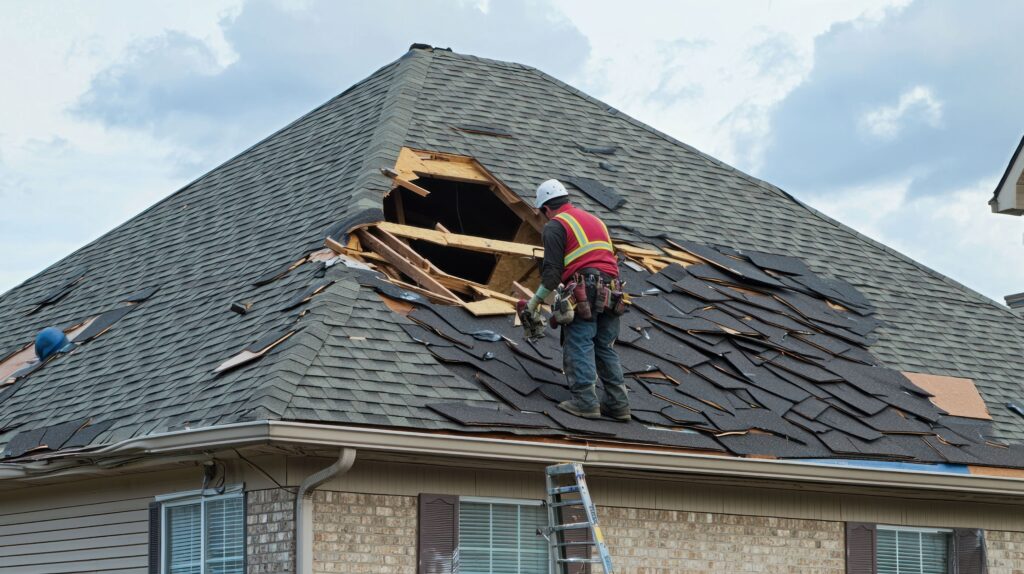
Commercial roof storm damage can show up right away, but some problems take days or weeks to become obvious. A small puncture, loose seam, or lifted edge may not look serious at first. Once water starts working into the roof system, the damage can spread into insulation, decking, ceilings, and walls.
Florida storms can be rough on flat roofing systems, metal panels, shingles, and tile roofs. Strong wind can pull materials out of place, while heavy rain can test every drain, seam, and flashing point. Hail and debris can also weaken the surface, even when there is no visible hole from the parking lot.
A careful look after severe weather gives you a better chance to catch issues early. Here are the first signs to watch for when you suspect storm damage on a commercial roof.
Water Stains, Leaks, or Ceiling Marks
Water inside the building is one of the clearest signs that the roof may have been damaged. You may notice brown stains on ceiling tiles, damp drywall, peeling paint, or water dripping after a storm. These signs often point to a roof opening, failed seam, or damaged flashing.
Leaks are not always directly above the visible stain. Water can travel across decking, beams, insulation, or ceiling cavities before showing up indoors. That is why guessing at the source can waste time and lead to repeated problems.
Even a small leak deserves attention. Moisture can affect inventory, equipment, documents, flooring, and electrical areas. It can also create odor problems if the insulation stays wet for too long.
Ponding Water on Flat Roof Areas
Flat commercial roofs are designed to move water toward drains, scuppers, or gutters. After a storm, standing water that remains for more than a day can be a warning sign. It may mean the drainage system is clogged, the roof has settled, or storm debris is blocking water flow.
Ponding water adds weight to the roof surface. Over time, it can weaken membranes, open seams, and speed up material wear. In warm weather, standing water can also make roof materials expand and contract more often.
After heavy rain, check visible roof areas from a safe location. Pooled water, sagging spots, or overflowing drains should be inspected before the next storm arrives.
Loose Flashing, Seams, or Roof Edges
Storm wind often attacks the weakest points first. On a commercial roof, that can mean flashing around vents, HVAC units, skylights, walls, and roof edges. Once those areas loosen, rain can slip under the roofing system and move into the building.
Seams are another common trouble spot, especially on flat roofing systems. A storm can pull at membrane edges or expose small gaps that were already aging. These gaps may look minor, but they can let water into insulation and decking.
Roof edges should also be checked after heavy winds. Lifted metal trim, missing fasteners, or bent edging can leave the roof exposed during the next storm. A professional inspection can find these issues before they turn into a larger repair.
Damaged Roofing Materials or Surface Wear
Shingles, metal panels, tiles, and flat roofing membranes can all show storm damage in different ways. Shingles may curl, crack, loosen, or lose granules. Metal roofing may show dents, lifted panels, loose screws, or damaged seams. Tile roofs may have cracked or shifted pieces.
Flat roofs can show punctures, tears, blisters, soft spots, or worn membrane areas. Hail, branches, and windblown debris can weaken the surface even when the damage looks small from above.
Surface damage matters because your roof is the first layer of protection for the building. Once that layer is compromised, rain can reach deeper parts of the roof system. Fast action can help reduce interior damage and repair costs.
Debris, Clogged Drainage, or Gutter Problems
After a storm, debris can collect around drains, gutters, downspouts, and low areas of the roof. Leaves, branches, trash, and broken roofing materials can stop water from moving where it should. That trapped water can then back up under roofing materials or spill into areas not built for heavy runoff.
Gutter problems can also point to roof damage. Bent gutters, loose downspouts, or piles of granules near drainage areas may mean the roof took a hard hit. On commercial buildings, drainage issues should be handled quickly because the weight can become a serious concern.
How We Help Protect Your Commercial Roof
US Shingle And Metal helps business owners find storm damage with honest inspections, clear recommendations, and practical replacement options. We work with commercial roofing systems, including shingle, metal, and flat roofing materials, so we can match the right solution to the building.
Our Florida-based, veteran-owned team focuses on durability, storm resistance, and long-term protection. We also offer energy-saving solutions, including insulation and radiant barriers, for buildings that need better comfort and lower energy waste.
Storm damage can move fast once water finds a way in. Contact us today to schedule a commercial roof inspection and get a straight answer before the next storm hits.
FAQs
Schedule a professional inspection as soon as possible, especially if you notice leaks, ponding water, debris, loose flashing, or interior stains.
Yes. Small punctures, lifted seams, or cracked materials can let water spread into insulation, decking, ceilings, and business areas.
Yes. We inspect commercial roofs, identify storm damage, and recommend repair or replacement options based on the roof’s condition.