
Quick Summary
Radiant barriers and insulation both help control heat, but they work in different ways. A radiant barrier reflects heat away from your attic, while insulation slows heat transfer between your attic and living space. Many Florida homes benefit from using both, especially when attic heat, high cooling costs, and roof performance are major concerns.
Many homeowners hear the phrase radiant barrier vs. insulation and assume they must choose one over the other. Reality is a little more practical than that. These two products solve different heat problems, so the right choice depends on your home, your attic, and how heat moves through your roof system.
Florida homes deal with heavy sun, humid air, and long cooling seasons. That means your attic can trap a serious amount of heat during the day. Once that heat builds up, your air conditioner has to work harder to keep the house comfortable.
A smart roof and attic setup looks at the full picture. Radiant barriers, attic insulation, ventilation, and roofing materials all play a role. Knowing how each one works helps you make a better decision before spending money on upgrades.
What is a Radiant Barrier?
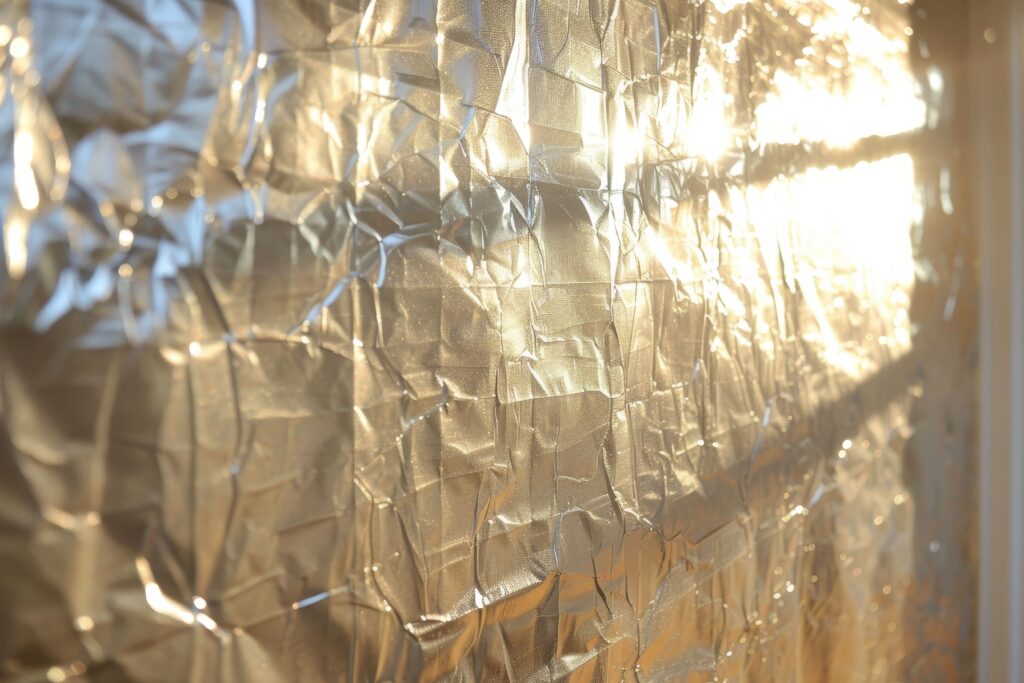
A radiant barrier is a reflective material installed in an attic or roof system to reduce radiant heat. Radiant heat comes from the sun beating down on your roof. Once the roof surface heats up, that heat radiates into the attic.
Rather than absorbing that heat, a radiant barrier reflects a large portion of it away from the attic space. This can help lower attic temperatures, especially during hot Florida afternoons. Lower attic heat can also reduce the strain on your cooling system.
Radiant barriers are often installed under the roof deck or across attic framing. Placement matters because the reflective surface needs an air space to work properly. Without that air space, the material cannot reflect heat as well.
This type of upgrade is especially useful in homes with strong sun exposure. Roofs with limited shade, dark roofing materials, or large attic spaces may see stronger benefits. For many homeowners, the goal is better comfort and lower cooling demand.
What is Insulation?
Insulation works by slowing conductive heat transfer. That means it helps reduce how quickly heat moves through ceilings, walls, and attic spaces. During summer, insulation helps keep attic heat from pushing down into your living area.
Common attic insulation materials include fiberglass, blown-in cellulose, and spray foam. Each material has its own cost, performance level, and installation method. The most important measurement is R-value, which shows how well the insulation resists heat flow.
A higher R-value usually means stronger resistance to heat transfer. However, more insulation is not always the full answer. Air leaks, old roofing, poor attic ventilation, and damaged insulation can all limit performance.
Insulation also helps during cooler weather. While Florida winters are mild, some homes still benefit from better temperature control year-round. Good insulation can support comfort while helping your HVAC system run more efficiently.
How They Work Differently
Radiant barriers reflect heat before it builds up inside the attic. Insulation slows heat after it starts moving through the attic floor or building envelope. That is the biggest difference between the two.
Think of a radiant barrier as a shield against the sun’s heat. Think of insulation as a buffer that slows heat from passing into your home. Both can reduce heat gain, but they attack the problem at different stages.
This is why comparing them as direct replacements can be misleading. A radiant barrier does not add R-value like insulation does. Insulation does not reflect radiant heat like a reflective barrier does.
For Florida properties, both products can work together very well. A radiant barrier helps reduce attic heat at the roof level. Insulation helps protect the rooms below from the heat that remains.
Which Option Makes More Sense for Your Home?
A radiant barrier may be the better starting point when your attic gets extremely hot, and your cooling system runs often during the day. This is common in Florida homes with direct sun exposure, older roof systems, or roofing materials that absorb a lot of heat. By reflecting radiant heat away from the attic, the barrier helps reduce heat buildup before it spreads through the home.
Insulation may be the better priority when your attic already has thin, uneven, compressed, or damaged insulation. Poor insulation lets heat move into your living space more easily. You may notice warm rooms, uneven temperatures, or higher energy bills even when your air conditioner is running.
Many homes do not need only one solution. A radiant barrier can reduce heat coming from the roof, while insulation slows the remaining heat from entering the rooms below. Together, they create a stronger attic system that supports better comfort and energy performance.
Why Florida Homes Often Benefit from Both
Florida heat is not mild or occasional. Sun exposure, humidity, and long cooling seasons put constant pressure on your roof and attic. That is why many homeowners look beyond basic roofing and start thinking about full energy-saving upgrades.
Radiant barriers are especially helpful because they deal with heat at the roofline. This can make the attic less punishing during peak sunlight hours. Lower attic temperatures can also help nearby ductwork perform better if your HVAC system runs through the attic.
Insulation adds another layer of protection below that heat. It helps keep conditioned air where it belongs and reduces the transfer of attic heat into your home. With both systems working together, your home can feel more stable during hot weather.
This combination can also support long-term value. Less heat stress in the attic can help protect comfort, reduce energy waste, and make your home feel more prepared for Florida’s climate.
How US Shingle and Metal Can Help
At US Shingle And Metal, we treat roofing, insulation, and radiant barriers as connected parts of a single system. A roof should protect your home during storms while also helping manage heat, moisture, and long-term energy use.
Our team helps homeowners understand their options, whether it’s improving attic insulation, adding a radiant barrier, upgrading to a more reflective roofing material, or completing a roof replacement. We explain everything in plain English, so you can make confident decisions without any sales pressure.
We also work with roofing systems designed for Florida conditions, including shingles, metal roofing, tile roofing, and flat roofing systems. Since we produce and sell our own metal, we can offer durable metal roofing solutions with strong value. That matters when you want storm protection, energy performance, and honest pricing in one place.
Make the Right Upgrade with A Clear Plan
Radiant barriers and insulation are different, but they work toward the same goal. Both can help your home stay more comfortable and reduce wasted energy when used correctly. The best choice depends on your attic condition, roof type, budget, and long-term plans.
For many Florida homeowners, the strongest answer is not one product over the other. A balanced roof and attic system can give you better protection, better comfort, and more peace of mind through hot weather and storm season.
FAQs
No. A radiant barrier reflects heat, while insulation slows heat transfer. Many homes need both for better attic performance.
Yes, it can help reduce attic heat during long, hot cooling seasons, especially in homes with strong sun exposure.
A roof and attic inspection can show insulation condition, attic heat issues, ventilation concerns, and the best upgrade path.