
Quick Summary
Florida roofs deal with strong sun, heavy humidity, sudden storms, and long cooling seasons. Choosing the right roof material can help lower attic heat, reduce strain on your cooling system, and protect your home during rough weather. Metal roofing, tile roofing, reflective shingles, flat roof systems, insulation, and radiant barriers can all play a role in better comfort and long-term performance.
Energy-efficient roofing is a smart topic for Florida homeowners because the roof takes the hardest hit from heat, UV exposure, and storm season. A roof that handles sunlight well can make your home feel more comfortable and help control cooling costs over time. Still, the right choice depends on your home, roof shape, budget, neighborhood rules, and long-term plans.
Florida’s climate is not gentle on roofing materials. Afternoon heat builds quickly, coastal moisture can wear down weaker systems, and severe weather can test the strength of every roof component. That is why homeowners should look beyond appearance and think about durability, ventilation, reflectivity, and proper installation.
Why Florida Homes Need Roofing Materials Built for Heat and Storms
Florida homeowners face a mix of heat, rain, wind, and humidity that can shorten the life of a poorly matched roof. A roof that works well in a cooler state may struggle under constant sun exposure and high moisture. Over time, that stress can lead to fading, cracking, lifted materials, and higher indoor temperatures.
Strong roofing materials help protect the home during storms while also managing daily heat. Reflective surfaces can send more sunlight away from the roof. Good insulation helps slow heat transfer into the living space. Proper attic ventilation also supports the system by helping trapped heat escape.
Energy performance should be viewed as part of the full roofing system. A strong material alone may not deliver the best result if the attic is poorly insulated or if heat has nowhere to go. That is why many Florida roofing projects combine better materials with attic insulation or radiant barrier upgrades.
Metal Roofing for Long-Term Heat Control
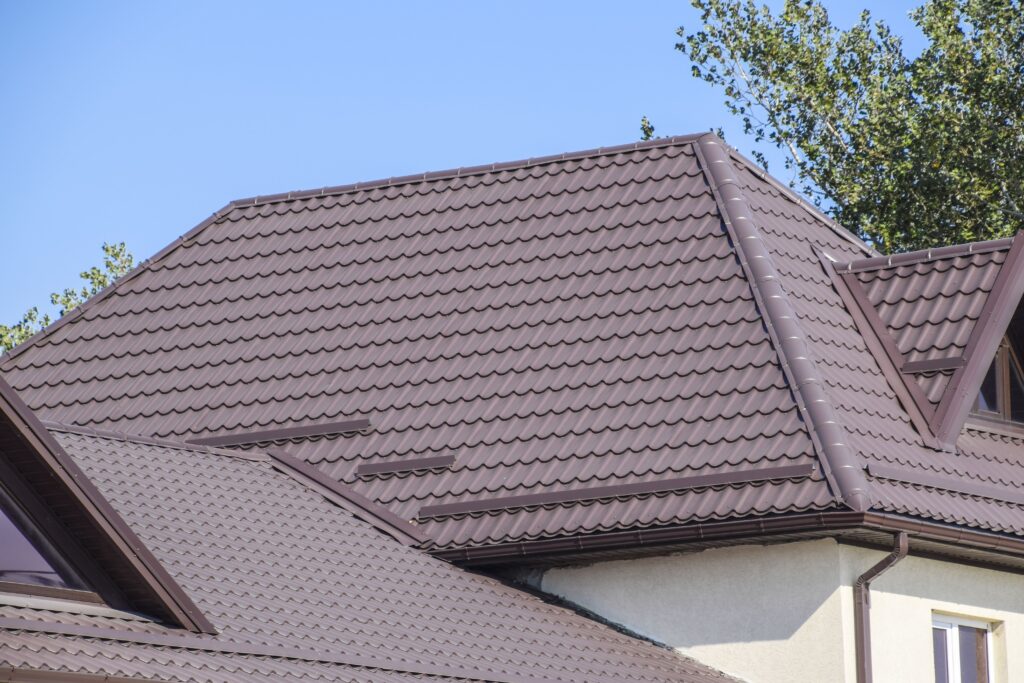
Metal roofing is one of the strongest options for Florida homes. It reflects sunlight better than many traditional roofing materials, especially when paired with lighter finishes or reflective coatings. That can help reduce heat buildup on the roof surface during long summer days.
Homeowners can choose from exposed fastener metal roofing or standing seam metal roofing. Exposed fastener systems are often more budget-friendly, while standing seam roofs offer a cleaner look and stronger weather resistance when installed correctly. Both can be practical choices for homeowners who want a durable roof with good heat performance.
Metal also holds up well against Florida’s storm-heavy climate. It sheds rain quickly, resists many common moisture problems, and can last for decades with proper care. Since U.S. Shingle & Metal produces and sells its own metal, homeowners may also benefit from lower pricing compared with companies that buy metal from outside suppliers.
Tile Roofing for Heat Resistance and Florida Style
Tile roofing has long been popular in Florida because it matches the state’s architecture and handles heat well. Clay, concrete, and stone-coated metal tile can all perform well in warm climates. These materials create a strong barrier above the home and can help reduce direct heat transfer into the attic.
Clay tile is known for its natural resistance to the sun and heat. Concrete tile offers strength and design flexibility. Stone-coated metal tile gives homeowners the look of tile with a lighter structure in many cases. Each option has its own weight, cost, and installation needs, so a professional inspection helps identify what fits the home.
Tile roofs can also offer strong storm performance when installed with the right fastening system and underlayment. Florida storms make those details important. A good tile roof is more than the visible surface, since the layers underneath help protect the home from wind-driven rain and long-term moisture damage.
Reflective Asphalt Shingles
Asphalt shingles remain one of the most common roofing choices because they are familiar, versatile, and available in many styles. For Florida homes, reflective shingle options can help manage heat better than darker, older shingle products. Lighter colors and improved surface technology can make a noticeable difference in roof temperature.
Homeowners who want shingle roofing should also think about warranty strength and installation quality. A good shingle product needs the right underlayment, ventilation, flashing, and fastening. Without those details, even a high-quality shingle may not perform as expected during Florida’s rough weather.
Flat Roofing Systems for Florida Heat and Rain
Flat and low-slope roofs need materials that can handle standing heat, heavy rain, and daily UV exposure. TPO, EPDM, and modified bitumen are common options for commercial buildings and some residential properties. TPO is often chosen for its reflective surface, which can help reduce roof temperature during hot Florida afternoons.
Modified bitumen offers strong layered protection, while EPDM can work well when the roof design and drainage plan fit the material. Since flat roofs do not shed water the same way steep roofs do, installation details matter. Seams, flashing, drainage, and surface condition all affect long-term performance.
Insulation and Radiant Barriers Add More Protection
Roof material is only one part of comfort and efficiency. Attic insulation helps slow heat from moving into your living space, while radiant barriers reflect heat away before it spreads through the attic. Together, they can reduce cooling strain and help your home feel more stable during peak heat.
We look at the full roofing and energy-saving system, not just the outer surface. That helps us recommend practical upgrades based on your home’s condition, roof type, and comfort goals.
How We Help Florida Homeowners Choose the Right Roof
At US Shingle And Metal, we help homeowners and property owners compare roof replacement, insulation, and radiant barrier options with clear explanations. We work with asphalt shingles, metal roofing, tile roofing, and flat roofing systems, so our recommendations are based on fit, performance, and budget.
We are veteran-owned, Florida-based, licensed, and insured. Our team focuses on honest estimates, storm-ready roofing, durable materials, and energy savings that make sense over time. Since we produce and sell our own metal, we can also offer strong value on metal roof systems.
Ready to upgrade your roof with durability, protection, and energy savings in mind? Contact us today.
FAQs
Metal, tile, reflective shingles, and TPO can all perform well, depending on the home and roof design.
Yes. Better attic insulation can reduce heat transfer and help your AC work less during hot months.
Yes. Radiant barriers reflect heat from the attic and can improve comfort when paired with proper insulation.