
Quick Summary
Your roof does more than cover your home. It protects your family, helps manage indoor comfort, and affects long-term repair costs. Different roofing materials offer different strengths, especially in Florida’s heat, rain, humidity, and storm seasons. Asphalt shingles, metal roofing, tile, flat roofing systems, and energy-focused upgrades all have their place, but the right choice depends on your home, budget, roof shape, and long-term goals.
Roofing is one of the biggest protection systems your home has, especially in Florida’s heat, rain, wind, and storm seasons. Comparing the main types of roofing materials can help you understand which option fits your home’s structure, budget, and long-term plans. Some materials are known for affordability, while others focus more on strength, energy efficiency, or a longer service life. A good roof should protect your home, handle local weather, and give you confidence every time a storm rolls through. That is why material choice should be based on real performance, not just curb appeal.
Asphalt Shingles
Asphalt shingles are one of the most common roofing choices for homes because they offer a practical balance of cost, appearance, and dependability. Many homeowners like them because they work well with many house styles and come in different colors and profiles. They can also be installed faster than heavier systems, which helps keep roof replacement timelines more manageable.
For Florida homes, asphalt shingles can be a solid option when the product is rated for wind, heat, and moisture exposure. Standard shingles may work for many homes, but higher-quality shingles often give better protection and a cleaner finished look. Some advanced shingle systems are made with stronger locking features, which can help improve storm resistance.
Maintenance is also fairly simple compared with more complex roof systems. Missing shingles, lifted edges, granule loss, or algae growth are signs that the roof may need attention. A professional inspection can help determine if repair is enough or if a full replacement makes more sense.
Metal Roofing
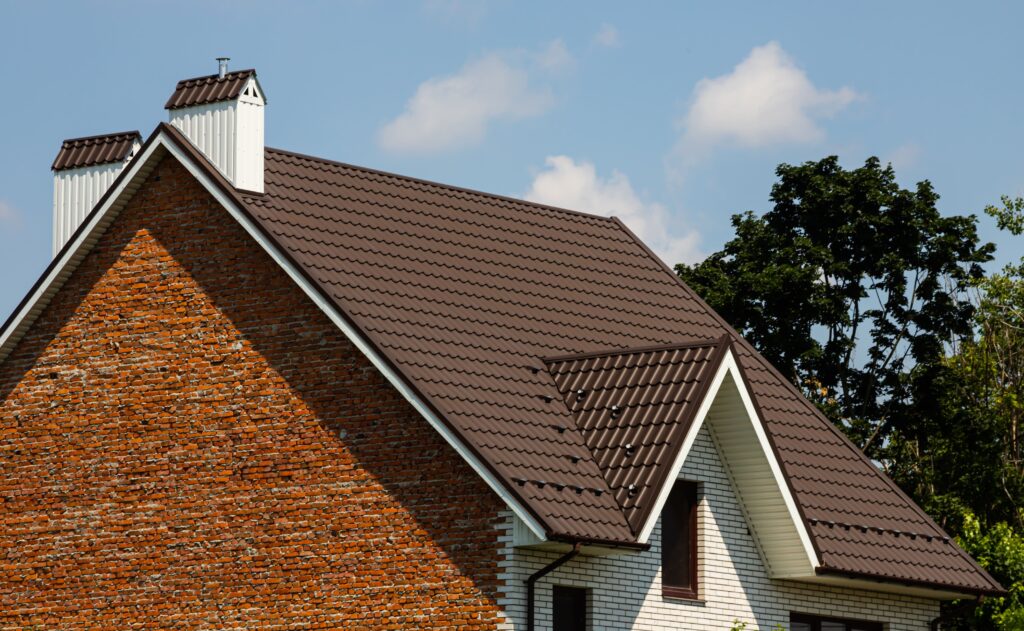
Metal roofing has become a popular option for homeowners who want long-term durability and strong weather performance. It can handle heavy rain, high heat, and strong winds when installed correctly. Metal also reflects sunlight better than many traditional materials, which can help reduce attic heat and support better energy efficiency.
There are different metal roofing styles, including exposed fastener and standing seam systems. Exposed fastener roofs are often more budget-friendly and are commonly used on homes, barns, and commercial buildings. Standing seam metal roofing has a cleaner look because the fasteners are hidden, which can also help reduce possible leak points.
A strong metal roof can last for decades with proper installation and maintenance. It resists cracking, shrinking, and many common wear issues that affect other roof materials. However, workmanship matters a lot because poor installation can lead to leaks, panel movement, or fastener problems over time.
Tile Roofing
Tile roofing is known for its strong appearance, long lifespan, and ability to handle hot climates. Clay tile, concrete tile, and stone-coated metal tile each bring a different look and performance profile. Many Florida homeowners choose tile because it gives the home a solid, high-end appearance while offering dependable protection.
Clay tile has a classic look and performs well in heat, but it can be heavy and more fragile under foot traffic. Concrete tile is also durable and comes in many shapes and colors, though it may require strong roof framing due to its weight. Stone-coated metal tile gives a tile-like appearance with a lighter structure, making it a helpful option for some homes.
Tile roofing can be a smart long-term investment, but it needs proper underlayment and flashing. Many tile roof issues come from the layers beneath the tile rather than the tile itself. Regular inspections help catch cracked tiles, loose pieces, or underlayment concerns before they become expensive problems.
Flat Roofing Systems
Flat roofing is common on commercial buildings, but it can also work well for certain home additions, garages, porches, and low-slope roof areas. Since flat roofs do not shed water the same way steep roofs do, the material needs to manage drainage, sun exposure, and moisture very carefully. A small installation problem can turn into ponding water, leaks, or early wear.
TPO is a popular flat roofing option because it is reflective, flexible, and designed to reduce heat absorption. EPDM is a rubber-based roofing material that performs well in many weather conditions and is often valued for its durability. Modified bitumen is another dependable option, especially for property owners who want a layered system with strong waterproofing performance.
A flat roof should never be treated like a basic surface covering. Seams, flashing, drainage points, and edges all need close attention. In Florida, where heavy rain can arrive quickly, a properly built flat roof can make a major difference in how well the structure stays protected.
Insulation, Radiant Barriers, and Roofing Performance
Roofing material gets most of the attention, but the full roof system includes more than the surface you see from the street. Attic insulation and radiant barriers can affect comfort, energy use, and how hard your air conditioning system has to work. That matters in Florida, where heat can build up quickly inside the attic.
Attic insulation helps slow heat transfer between the roof space and the living area below. When insulation is weak, damaged, or missing in key areas, your home may feel warmer, and your electric bill may rise. Radiant barriers work differently by reflecting heat away before it moves deeper into the home.
A reflective or energy-efficient roof can work even better when paired with proper insulation and radiant barrier solutions. Together, these upgrades can reduce heat strain, improve indoor comfort, and help your roof system support the home more effectively. That is why a roof replacement is a good time to look at energy performance, not just exterior materials.
How We Help You Choose the Right Roof
At US Shingle And Metal, we help homeowners and property owners choose roofing options based on real needs, not sales pressure. We look at your roof condition, home design, budget, storm exposure, and energy goals before recommending a path forward. Our work covers residential and commercial roof replacements, insulation, and radiant barrier solutions.
We work with asphalt shingles, metal roofing, tile roofing, and flat roofing systems Since we are a Florida-based, veteran-owned, licensed, and insured company, we understand the local weather and the level of protection your roof needs. Our goal is to give you honest estimates, clean workmanship, and a roof built for durability.
We also produce and sell our own metal roofing, which helps us offer strong value without cutting corners. That gives customers access to quality metal options at competitive pricing. Along with roofing, our insulation and radiant barrier work can help reduce heat buildup and support long-term energy savings.
Get a Roof Built for Florida Weather
A strong roof should protect your home, handle storms, and support better comfort year after year. Material choice matters, but installation quality, ventilation, insulation, and honest guidance matter just as much. Contact us today.
FAQs
Metal, tile, and premium shingle systems can last a long time when installed correctly. The best choice depends on your home, budget, and storm exposure.
Yes. Metal roofing reflects sunlight well, which can reduce attic heat and help lower cooling strain.
Yes. A roof inspection helps confirm damage, material condition, leak risks, and the best repair or replacement option.