
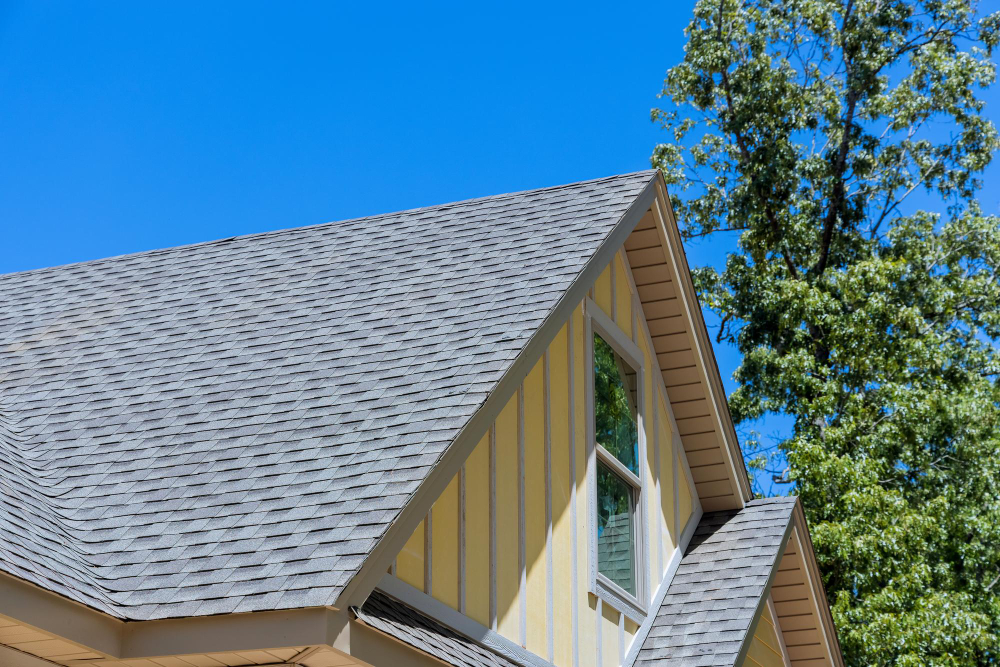
The shingle roof lifespan is a critical consideration for homeowners in Florida, where heat, humidity, and frequent storms can accelerate wear. Most asphalt shingle roofs last between 20 and 25 years under typical conditions. Several factors influence how long a roof continues to perform effectively. Knowing what affects durability helps you plan repairs or replacement before major damage develops.
Florida’s climate places constant stress on roofing systems. Intense sunlight can dry out shingles and lead to cracking over time. Heavy rainfall and strong winds increase the risk of water intrusion and loose materials. Maintenance, material quality, and proper installation all play a role in extending the shingle roof lifespan and keeping your home protected.
Factors Affecting Roof Longevity
Multiple factors influence how long a shingle roof remains in good condition. Material quality stands out as a major factor. Higher-grade shingles deliver stronger resistance to wind, hail, and UV exposure compared to standard options. Installation quality also plays a key role. Incorrect installation can shorten the shingle roof lifespan even when premium materials are used.
Regular maintenance also plays a role in extending lifespan. While minor issues may seem insignificant, small leaks, damaged flashing, or missing shingles can develop into larger problems if left unaddressed.
Ventilation and insulation beneath the roof affect temperature regulation. This, in turn, influences how quickly shingles deteriorate under Florida’s hot and humid conditions.
Signs a Roof Is Nearing the End of Its Life
Visible warning signs often appear as a roof begins to age. Curling shingles, cracking surfaces, and loss of granules indicate wear. Water stains on ceilings and repeated leaks suggest deeper problems. Roofs approaching 20 years of age should receive professional evaluation, even when damage appears minimal.
Homeowners should also check for sagging sections and wear around flashing, vents, and gutters. Early action helps maintain protection and avoids costly structural damage. Delaying replacement can lead to faster deterioration and higher repair costs over time.
Storm Impact and Florida-Specific Considerations
Florida’s unique weather also affects roof longevity. Hurricanes, tropical storms, and heavy winds can damage shingles, lift flashing, and cause water infiltration, significantly shortening the roof’s expected lifespan. After severe weather events, it’s important to inspect your roof for missing shingles, broken tiles, or weakened areas.
Even minor damage can worsen over time, making timely repairs or replacement critical for protecting your home. Additionally, salt air in coastal regions can accelerate corrosion on metal components and fasteners, further impacting roof durability.
Selecting materials designed to withstand local weather conditions and working with experienced roofing contractors can help extend your roof’s life and reduce long-term maintenance costs.
How US Shingle & Metal Can Help
US Shingle & Metal helps homeowners stay informed about their roof’s condition through detailed inspections and clear evaluations. We are a Florida-based, veteran-owned company focused on accurate assessments and practical guidance for maintaining or replacing shingles.
If you’re ready to protect your property and extend the life of your roof, contact U.S. Shingle & Metal today for a free, no-obligation roofing and insulation quote.