
Your roof is one of the most important parts of your home, protecting it from Florida’s harsh weather conditions. But with so much misinformation out there, many homeowners make decisions based on roofing myths rather than facts. These misconceptions can lead to costly repairs, unnecessary replacements, and poor maintenance choices.
Let’s set the record straight by debunking five of the most common roofing myths and providing you with the real facts so you can make informed decisions about your roof.
Myth #1: A Roof Doesn’t Need Maintenance Until It Leaks
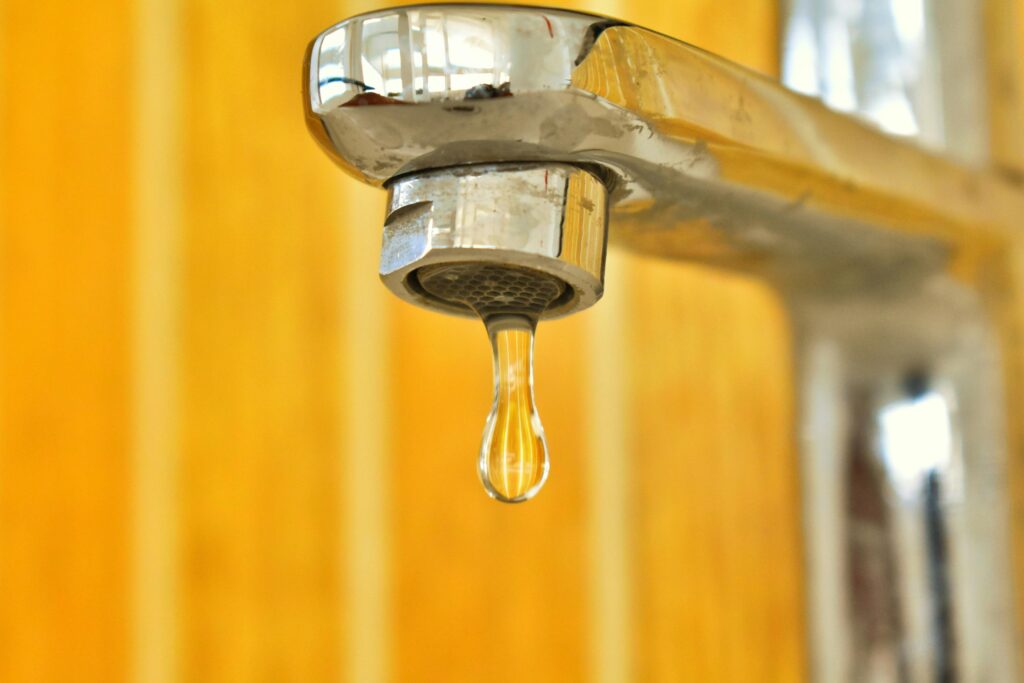
🚫 The Myth: If your roof isn’t leaking, there’s nothing to worry about.
✅ The Truth: By the time a leak appears, the damage is already done.
Many homeowners assume that a roof is problem-free until it starts leaking, but this couldn’t be further from the truth. Roof damage often starts small and unnoticed, such as cracked shingles, minor water infiltration, or weakened flashing. Left unchecked, these issues can lead to costly repairs, mold growth, and structural damage.
💡 Solution: Schedule regular roof inspections (at least once a year) to catch small problems before they turn into major issues.
Myth #2: A New Roof Can Be Installed Over an Old One
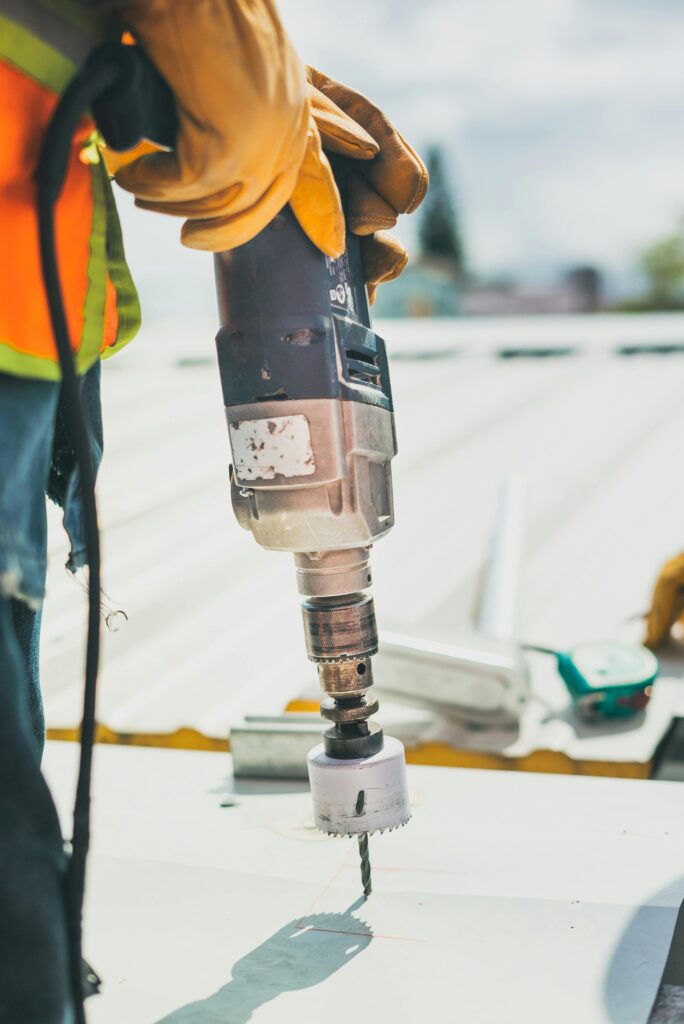
🚫 The Myth: It’s okay to install a new roof over an old one to save money.
✅ The Truth: Layering shingles shortens the new roof’s lifespan and can lead to hidden damage.
Some homeowners think they can cut costs by installing new shingles over an old roof instead of doing a full replacement. While this may seem like a quick fix, it actually traps moisture, adds extra weight to the structure, and prevents proper inspection of the decking underneath. In Florida’s humid climate, this can lead to hidden leaks, wood rot, and mold growth.
💡 Solution: Always remove the old roofing materials before installing a new roof to ensure a solid, long-lasting foundation.
Myth #3: All Roofing Materials Are the Same
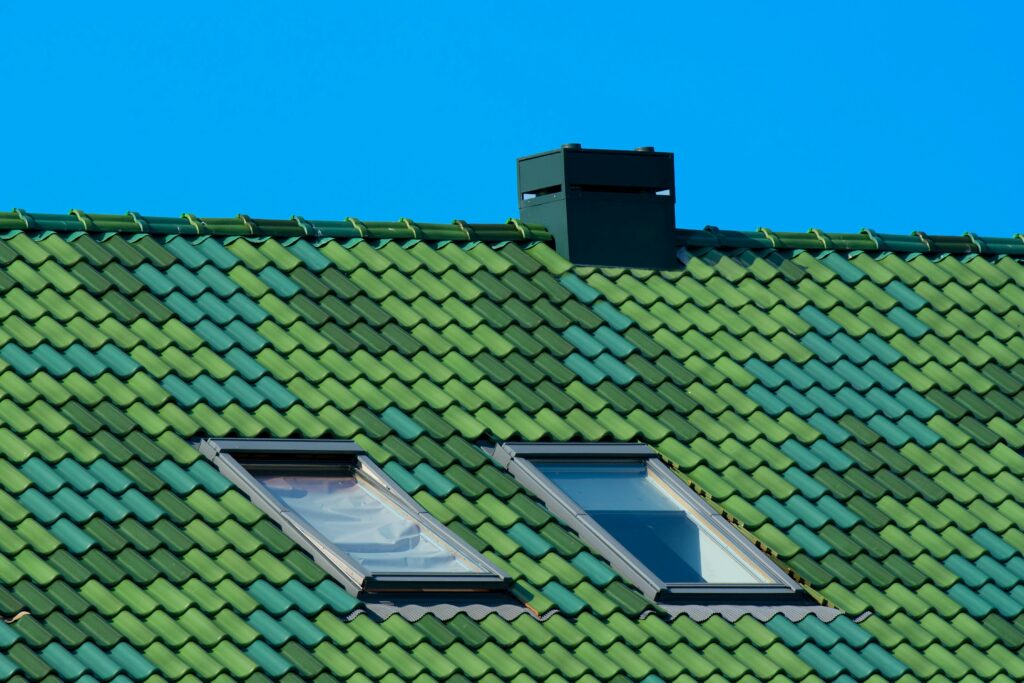
🚫 The Myth: Any type of roofing material will do the job.
✅ The Truth: Not all roofing materials are built for Florida’s climate.
Many homeowners believe that any standard roofing material will work for their home. However, Florida’s extreme weather conditions—including hurricanes, heavy rains, and intense UV exposure—require high-quality, durable materials that can withstand the elements.
💡 Best Roofing Materials for Florida:
✔ Architectural Shingles – Higher wind resistance than traditional 3-tab shingles
✔ Metal Roofing – Long-lasting, fire-resistant, and excellent for hurricane-prone areas
✔ TPO & EPDM Roofing (for commercial buildings) – Weather-resistant and energy-efficient
Choosing low-quality or improperly rated roofing materials can cost more in the long run due to premature wear, frequent repairs, and storm damage.
Myth #4: Roofing Warranties Cover Everything

🚫 The Myth: If my roof has a warranty, I’m covered for any problem that arises.
✅ The Truth: Most warranties have limitations and require proper maintenance to remain valid.
Many homeowners believe that a roofing warranty means free repairs for any issue—but warranties are often limited in coverage and come with specific conditions. Some only cover materials, while others exclude installation errors or storm-related damage.
💡 Solution: Read your roofing warranty carefully and ask your roofing contractor about:
✔ What’s included and excluded in the coverage
✔ Whether workmanship is covered or just materials
✔ Maintenance requirements to keep the warranty valid
Myth #5: Metal Roofs Attract Lightning
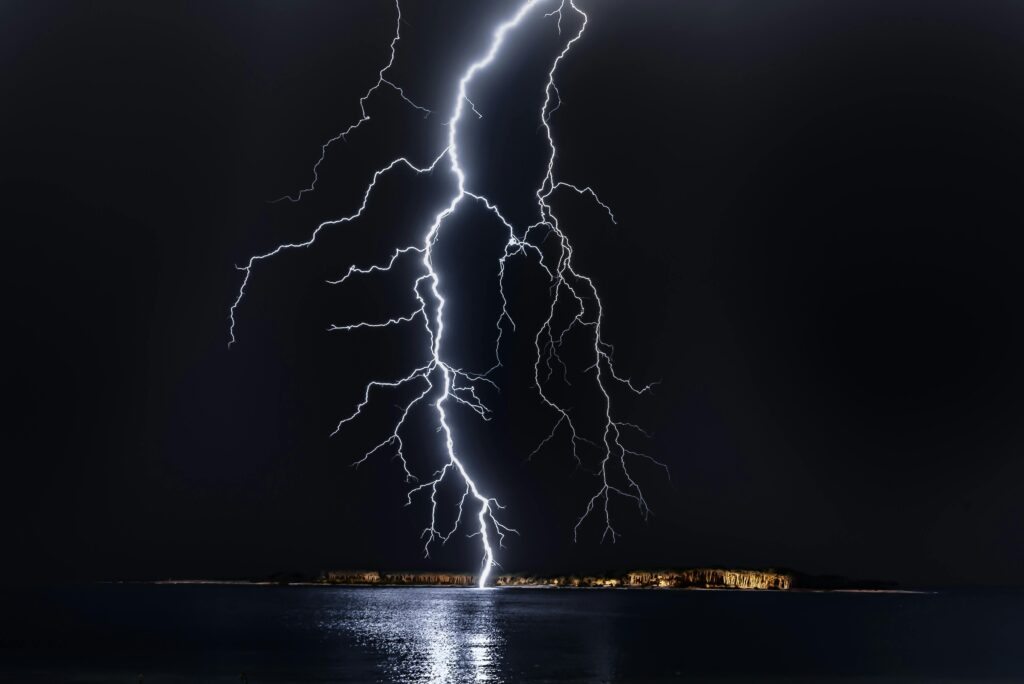
🚫 The Myth: Metal roofs increase the chances of a lightning strike.
✅ The Truth: Metal roofing does not attract lightning and is actually safer than other materials.
Many homeowners avoid metal roofing because they fear it will increase the risk of lightning strikes. However, lightning is attracted to the highest point in an area—not the material itself. In fact, metal roofing is non-combustible, meaning that if lightning does strike, it won’t catch fire like wood or asphalt shingles might.
💡 Benefits of Metal Roofing in Florida:
✔ Fire-resistant
✔ Highly durable in hurricanes and high winds
✔ Energy-efficient and reflective to reduce heat absorption
Final Thoughts: Trust the Facts, Not the Myths
Roofing myths can lead to expensive mistakes, poor maintenance, and costly repairs. By understanding the truth about roof maintenance, materials, and warranties, you can make the best decisions to protect your home or business.
At U.S. Shingle, we’re committed to educating homeowners and providing high-quality, long-lasting roofing solutions. Whether you need a new roof replacement or expert advice, our team is here to help.
📞 Contact us today for a free roof inspection and let’s protect your home with expert roofing solutions!